Insights & Trends for the Industrial Trades
Field-tested playbooks on paid acquisition, local search, and automation for US roofing and HVAC contractors. No theory, no vanity metrics.

Reddit lost more than a million search referrals a week in October and started testing ads in its own search results. In Texas, where roofers cannot promise to handle your claim or waive your deductible, those ads now sit in the threads homeowners use to vet you.
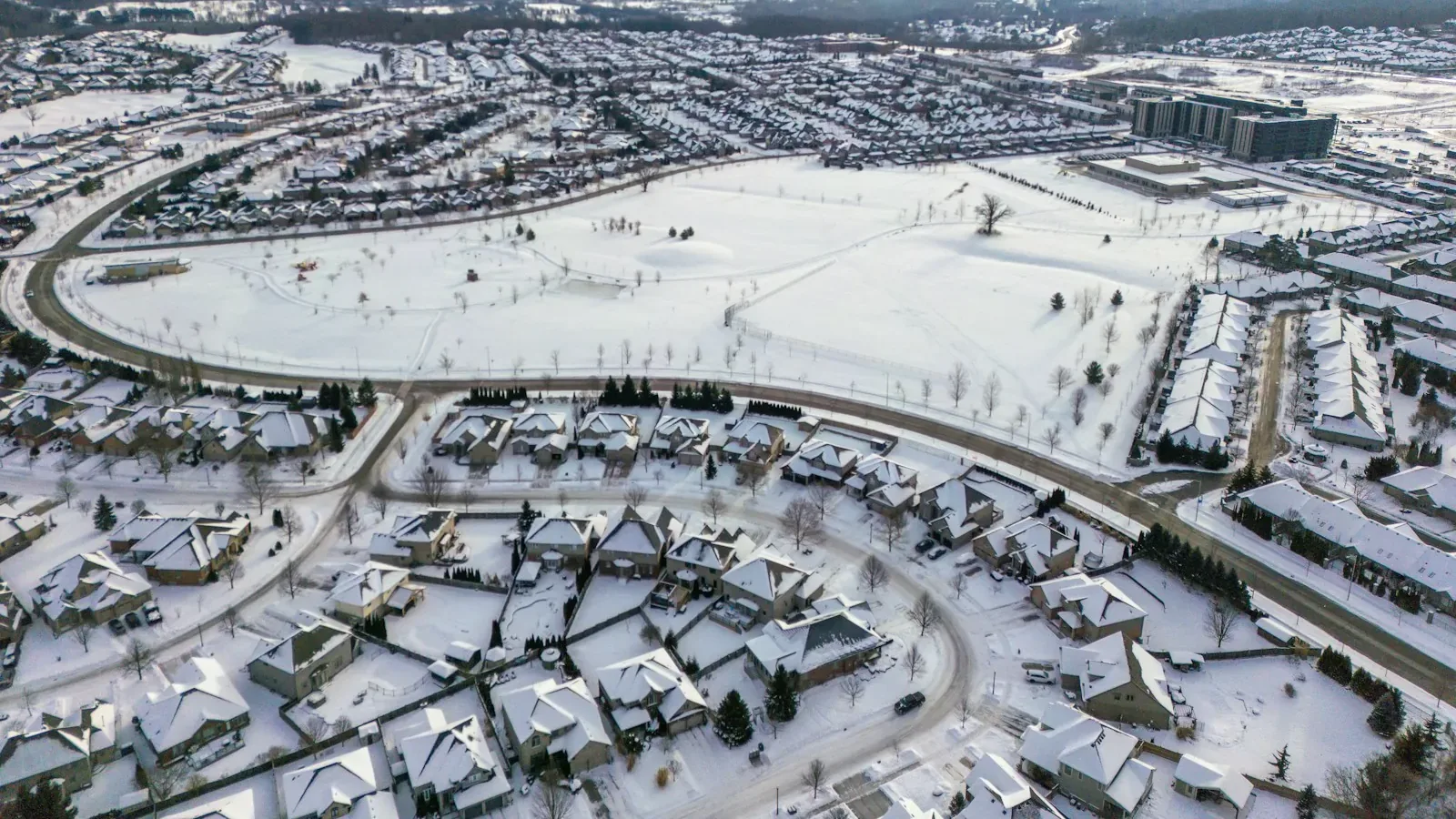
Rhode Island heating oil hit $6.396 a gallon in late October, and the phone is ringing. The problem is that the state's winter electricity rate went up 15% at the same time, so the conversion math your team quotes no longer closes.
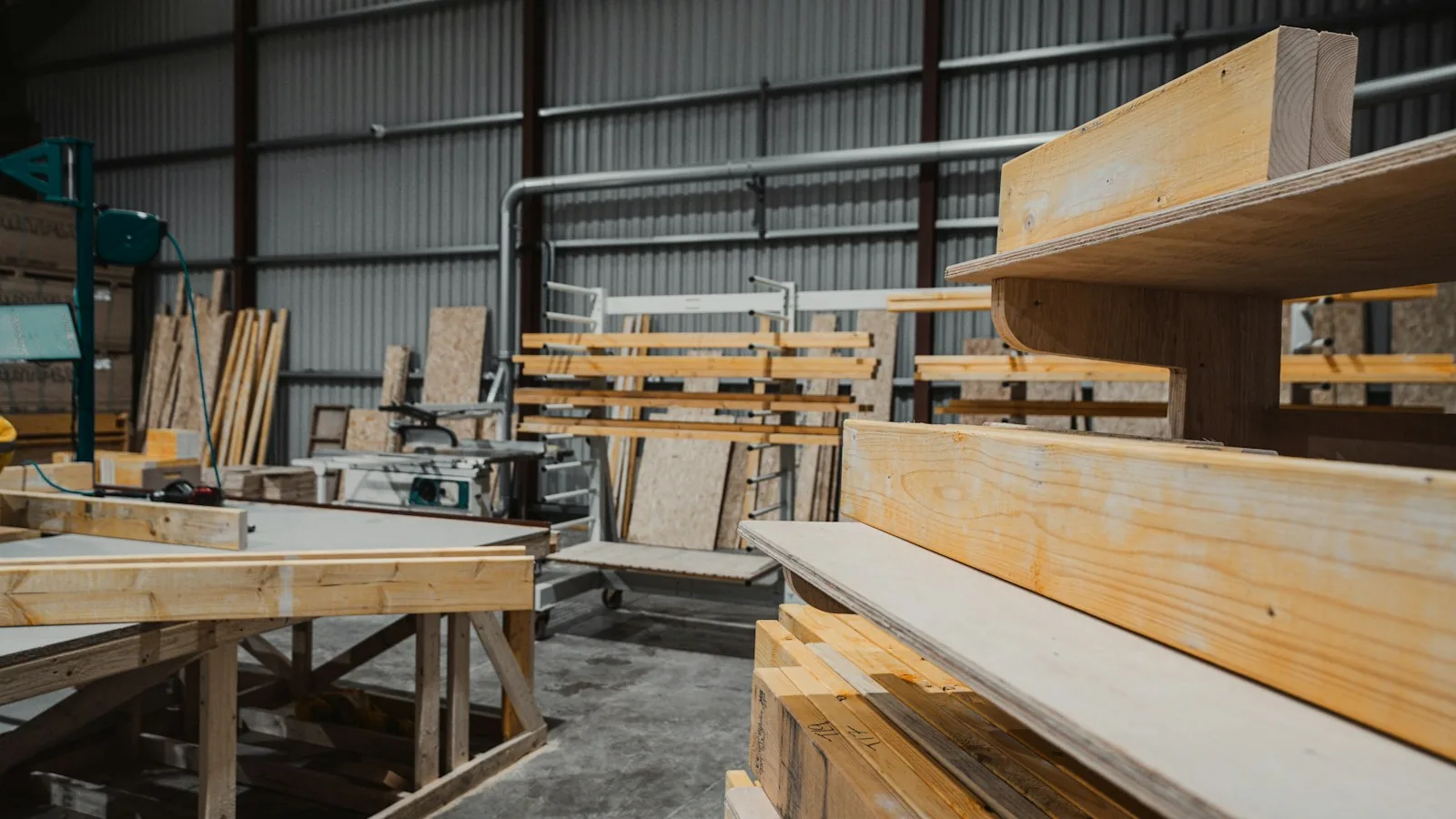
Your Ohio estimate was priced before October 30. The duty on the mastics, fiberboard and trim inside it was not.

A Tampa homeowner took the quote that was eighteen hundred dollars cheaper. There is now a reason a competing Florida bid lands that far under yours that has nothing to do with how lean the other shop runs.
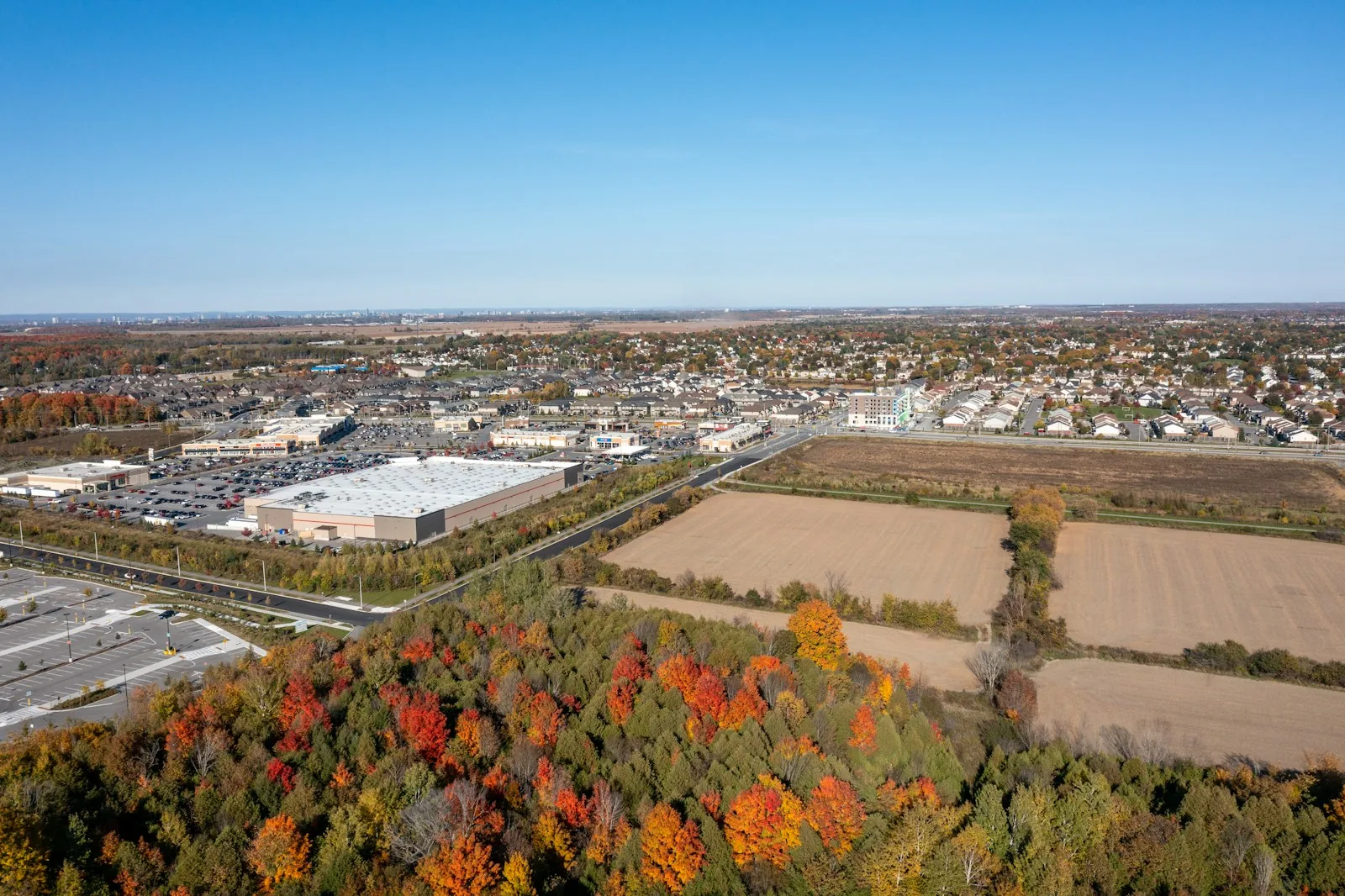
Shingle shipments fell 13% in the third quarter while built up roofing rose 25%. The work moved, and most Oklahoma roofing pipelines are still pointed at the half that shrank.
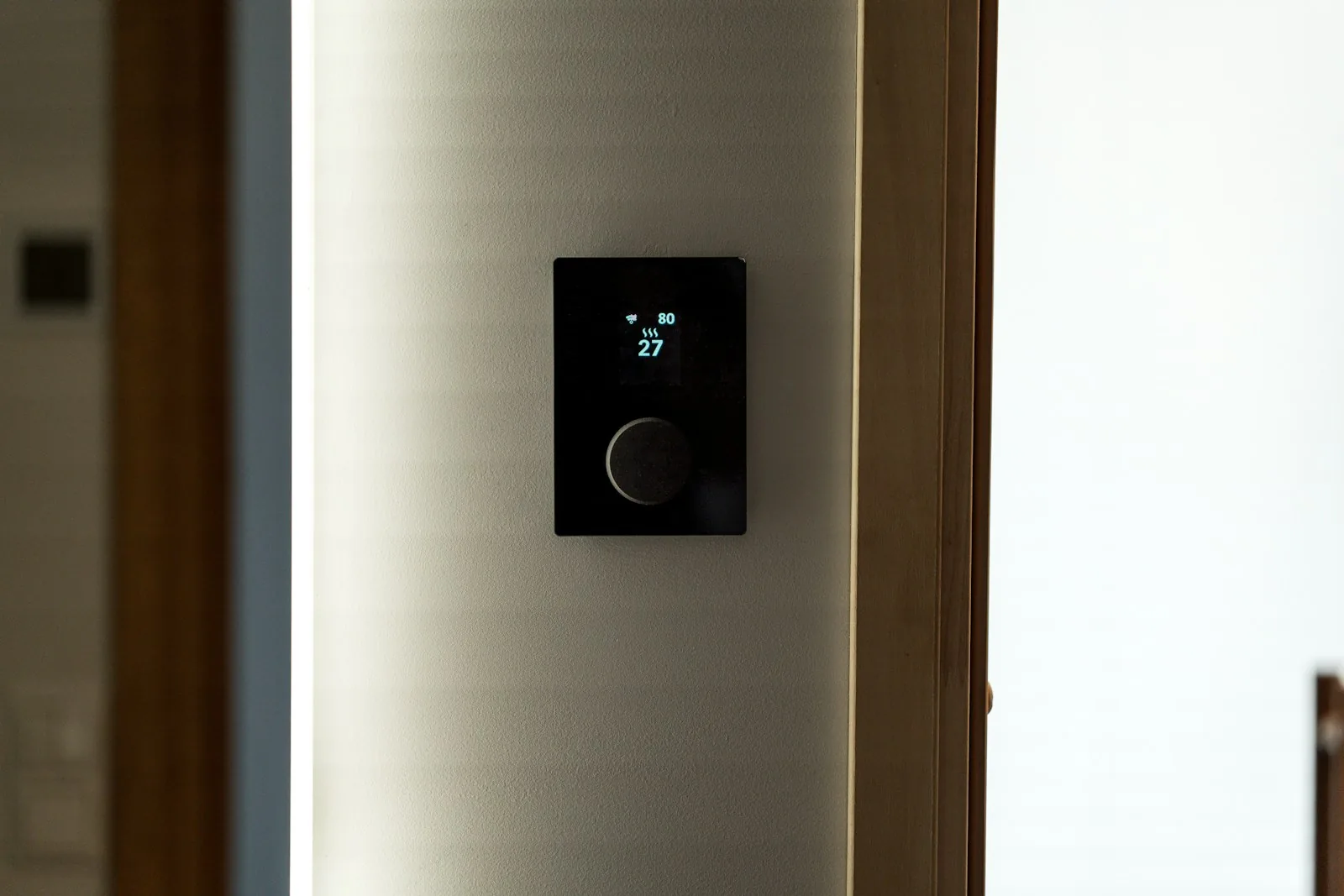
Apple put a $199.95 thermostat in front of every iPhone owner on October 13, 2026. In Hawaii the energy feature it is sold on does not reach the islands at all.
Global catastrophe losses are the lowest since 2019, yet US hail still cost insurers $43 billion through September. Here is what that does to a Colorado roofing pipeline.
An October 2026 survey puts AI assistants level with Yelp in the HVAC contractor search, while half the trade uses no AI at all. In South Dakota, where there is no state HVAC registry, that gap decides who gets the call.

Iowa homeowners now ask for your registration number before they book. The roofers who win are the ones whose proof is easy to find before the first call.
Seven manufacturers asked a federal court to toss the HVAC price fixing cases on October 9, 2026, and their own price tallies are now public. Kentucky homeowners are reading them before your estimator arrives.

US hail reports fell to 3,706 in the first half of 2026, close to half the level of each of the three previous years. Indiana watched its neighbours get the storms, and the roofs kept ageing anyway.
Eleven manufacturers raised parts prices on four separate dates in October 2026, linesets by an average of 12.9%. In Wyoming the heating season had already started, so the book went stale before anyone noticed.

Texas regulators have told insurers they cannot reject a home on roof age alone, and ordered them to price FORTIFIED roofs. The line most roofing companies open with no longer holds.
An Arizona homeowner now gets two quotes for the same system and cannot tell why one is thousands cheaper. The answer is the refrigerant, and nobody has written it down.
Ohio roofing demand is moving from the hail claim to the underwriting letter, and the homeowner arrives already told their roof is a problem.

Electricity is up 9.0% this winter and gas only 5.8%. In Oregon, where about half of homes heat with electricity, that quietly broke the savings number your team has been quoting.

Oklahoma has sued two of its largest home carriers over roof claim handling, and the contingency contract is going with them. Here is what a roofing pipeline sells instead.
About 1.7 million replacement jobs left the national pool in two years while equipment prices rose twice in 2026. For a Tennessee contractor, that turns every quote you let go cold into your most expensive mistake.

Your Colorado phone is ringing and your crews are booked to November. The 2026 workforce survey explains why, and why buying more leads makes it worse.
Equipment is available again, and availability was closing jobs your marketing did not have to. What the 2026 shipment swing does to Florida close rates.
A court unsealed 31 internal insurer documents about wind and hail claims in August 2026. Whatever the December trial decides, the denied claim sitting on an Iowa homeowner's kitchen table is already your problem to solve.
NOAA put the odds of a very strong El Nino above 90% on September 10, 2026. For Georgia HVAC contractors set up for a long cooling season, that is a winter forecast you can buy against three months early.
You wrote the price in September. Your crew gets there in November. With construction input prices up 8.9% year over year, the gap between those two dates is where an Indiana roofing company's margin goes.

A code exception expired on September 1 and outdoor units in exposed states can now trip a breaker while working perfectly. Virginia is exempt, and almost no Virginia contractor has said so where a homeowner can find it.

From October 1, 2026 an unanswered Local Services Ads call is a charged lead. In Ohio, where roofing demand arrives as 48 hour storm spikes, that is a bill for the calls you were always going to miss.

Equipment redesigns, refrigerant volatility and retooling pushed installed prices up while homeowners got more price sensitive. The contractors still closing are the ones who frame cost before the quote, not during it.

Carriers are leaving hail and hurricane states, writing ACV-only on older roofs, and refusing to insure 15-year-old shingles at all. If your lead flow depended on claim-funded replacements, the ground moved underneath you.

The same homeowner gets sold to as many as sixteen contractors, each paying full price. Once you divide spend by jobs actually signed, the cheap lead turns out to be the expensive one.
What We Write About, and Why
Paid Acquisition
Organic & AI Search
Frequently Asked Questions
Cannot find what you are looking for? Talk to our team and we will answer it directly.
Field tested playbooks on paid acquisition, local search, generative engine optimisation, and automation for United States roofing and HVAC contractors. Every article is built around current market data, such as the R-454B refrigerant transition, insurance carrier pullback in hail states, and real cost per booked job on shared lead platforms.
We publish substantial long form pieces rather than short posts on a schedule, targeting roughly two per month. Each article runs past 3,000 words with named data points, because a piece that actually answers the question is worth more than four that restate it.
Rubin George and Kevin George, drawing on live campaign data and current industry research. Articles are not outsourced to generalist content writers, which is why they carry specific numbers rather than generic advice.